

Some voters in the 32nd district might be stumped filling out their ballots. Long time Shoreline city council member, Keith Scully, is running against Danica Noble, an anti-trust attorney and PTA advocate for State Representative position 1 in the 32nd.
Both candidates are Democrats, and on most issues, Noble and Scully are more likely to agree than disagree. But in closing arguments to voters at a recent candidate forum, some differences between the candidates emerged.
The two candidates faced off in a forum hosted by the local democrats at the Edmonds Library on Saturday. Washington’s 32nd legislative district spans from Northwest Seattle, through Shoreline, Mountlake Terrace, and into Edmonds and Lynnwood. Noble and Scully are running for a legislative position previously held by longtime state Rep. Cindy Ryu who is running to unseat Senator Jesse Salomon.
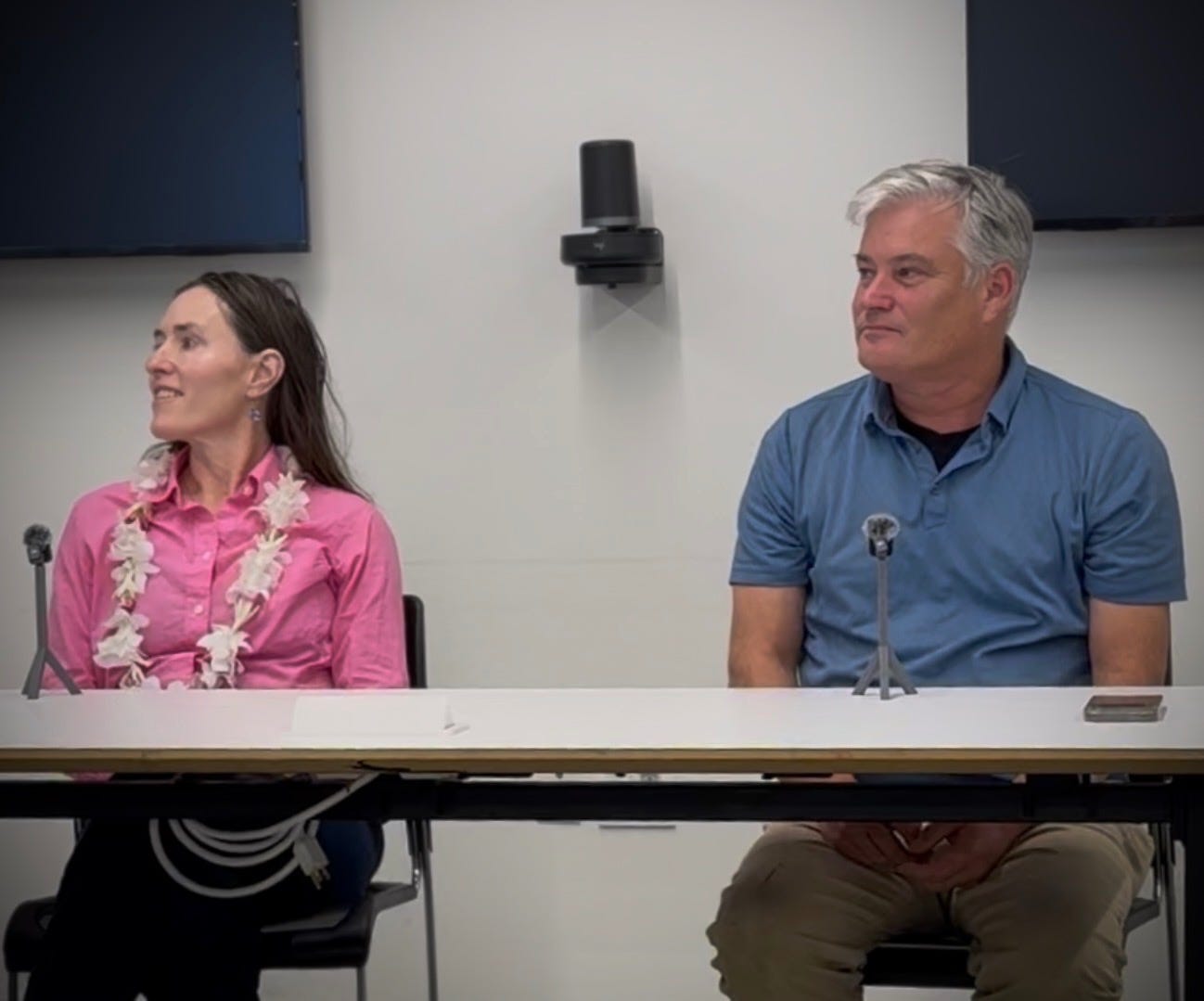
At the Edmonds forum, when asked about the most important issues local voters are facing, both Noble and Scully named education funding at the top of the list. And both candidates support the Millionaires Tax and say the state must do more to fix Washington’s regressive tax system. Both candidates have left-aligned positions on how to address the homelessness crisis.
Their overlapping positions have left some voters in the 32nd district undecided. But at the Saturday forum, some daylight (but not much) was visible between Scully and Noble.
Noble repeatedly called for urgent action to regulate AI and hold Big Tech accountable. While Scully, on the other hand, appeared to position himself as the more centrist of the two candidates.
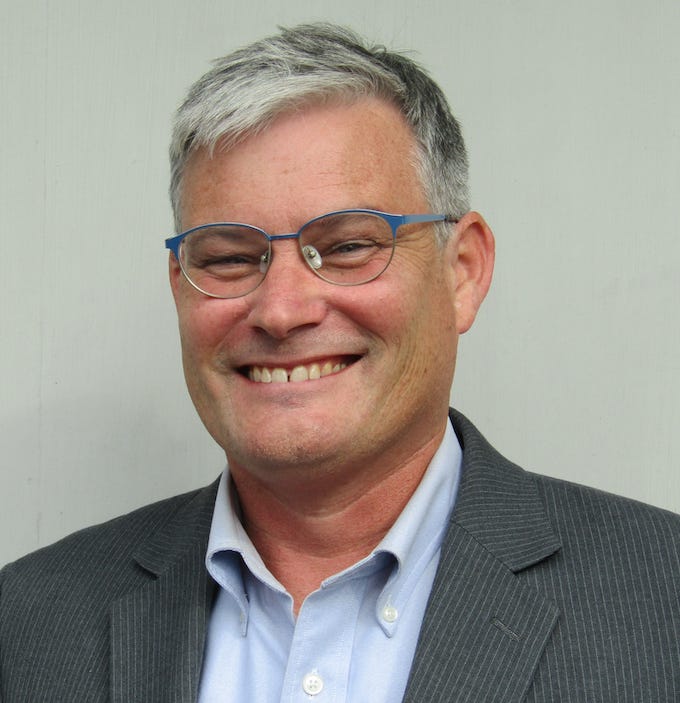
If voters send him to Olympia, Scully promised ten years of consensus building to “finally” get progressive tax reform done.
In the closing weeks of the campaign, Scully said he’s been out door-belling a lot, talking to voters — even Republicans. Although many Republicans refuse to talk to him, he has had conversations with MAGA voters. “I talked to extremists on the left and extremists on the right… They’re willing to pay taxes, as long as they feel like the money’s going to be spent wisely,” he said at the forum in Edmonds.
Scully believes progressive taxation could be a bi-partisan issue, “taxes come up at doors all the time. Most people, even Republicans, believe it or not, want progressive taxation. They just don’t trust that Olympia isn’t simply going to layer progressive taxes on top of regressive taxes,” he said.
Scully wants to lower taxes on small businesses with high operating costs (like restaurants) by charging B&O taxes on profits instead of revenues; another tax reform policy that could win consensus.
Lowering property taxes is also politically popular. “Senior citizens, or anybody on a fixed income, are very concerned about property taxes continuing to go up, because when you’re on social security… that doesn’t go up commensurate with the increase in property taxes… it’s the difference between living comfortably and barely getting by,” he said.
At earlier candidate forums, Scully has promised broad budget cuts. “So my top funding priority is balancing the state budget. And I propose doing that with a 3% across the board cut for all state departments, with 2 exceptions. And that’s education funding and behavioral health funding,” Scully said at a candidate forum last summer.
At Saturday’s candidate forum hosted by the local Democrats, he did not repeat that promise for across-the-board cuts. But he was asked to respond to critics on the left who worry about his consensus-driven approach and want a legislator who will deliver more than just incremental changes.
“We need advocates to be disruptive. And the electeds need to listen and decide where a disruptive measure is appropriate. I’m certainly not afraid to go against the trend. I’ve been the dissenting vote on numerous things, but I don’t start from a place of destruction, because the job of an elected is to put the pieces back together. The job of advocates is to say, this is broken, and for us to listen and say, is that true? Is that true?,” he said.
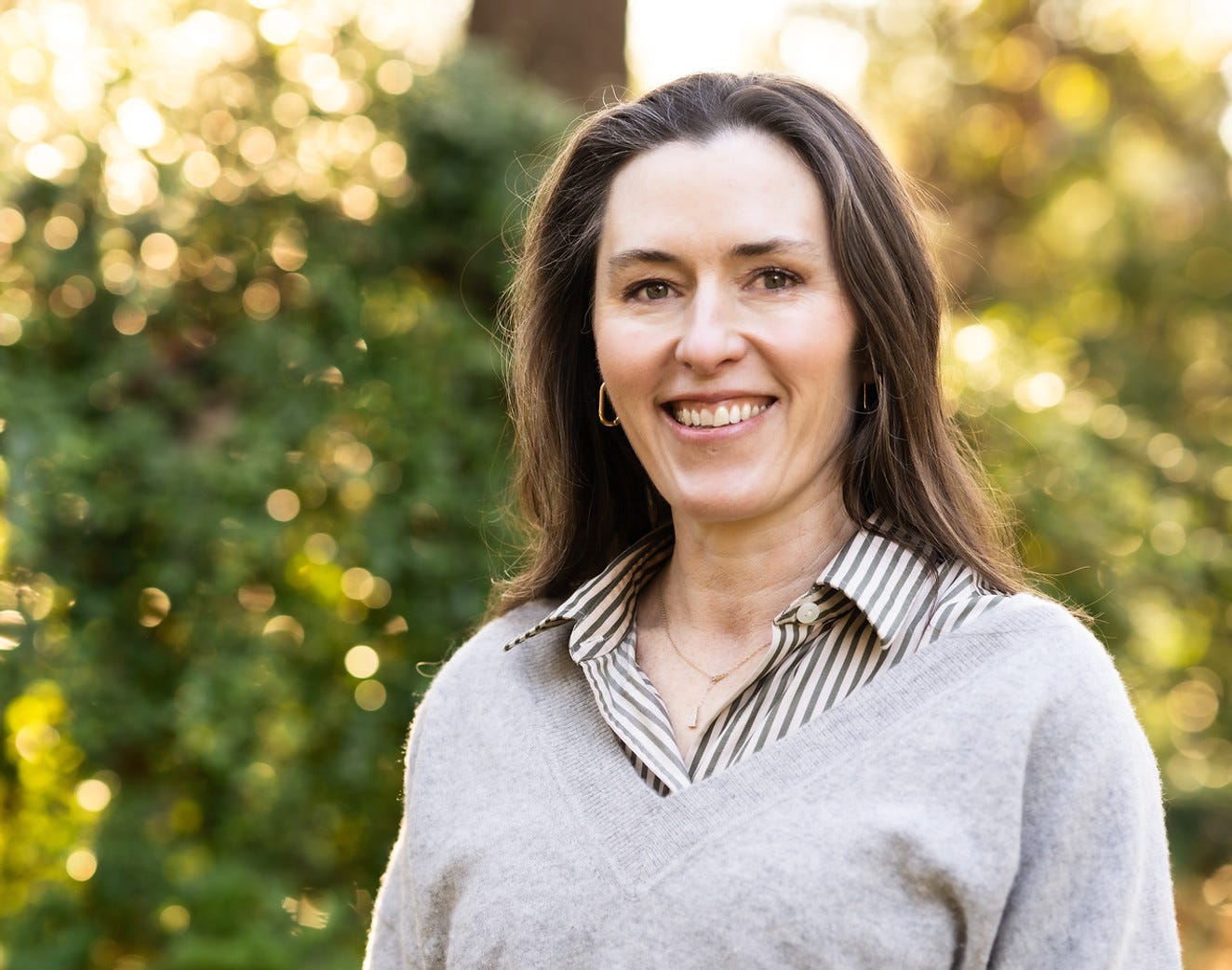
In her comments at Saturday’s forum in Edmonds, Noble, on the other hand, took a more combative tone.
Like Scully, Nobel named education funding as a top priority. As a member of the Washington State PTA Advocacy Committee, Noble has long lobbied for improved school funding in Olympia.
But Noble has made fighting big technology corporations the centerpiece of her campaign. She spent two decades as an attorney at the FTC doing consumer protection and anti monopoly work, most recently suing Facebook’s parent company Meta for using algorithms to harm children online.
Noble repeatedly circled back to the fight against big tech in her comments at the forum. When asked how she would balance the state budget while fixing Washington’s regressive tax system, Noble proposed bringing in new revenue by taxing social media companies that use addictive algorithms to harm children.
“That’s something I talk about at the doors all the time. And this is one of the few places you might see a difference between Keith and I… Some of the wealthiest companies in the world have products here that they offer. They’re not gonna pull Facebook out of this state if we tax them. We need an addictive algorithm tax to incentivize those companies not to keep our kids on for one more hour… Those companies can pay their fair share of taxes. They have a zero price product, but it’s not free. Anybody who has a phone or a kid knows we’ve been paying with our attention, let’s tax them on that,” she said.
Voters are concerned about affordability and Noble says powerful corporations are driving the crisis. “Employers… collect your data and use it to suppress your wages… Companies without your permission… buy your data… and use it to raise the prices that you pay… An airline will charge you more if they already know you’re going to a funeral. That is an extractive and exploitive business model,” she said.
“Uber buys the credit reports of its drivers, and if you have a really high credit card debt, they give you a lower percentage of your wage. They give you a shorter route. They give you people who are less likely to be tippers,” she said. “That’s just one example”, she continued, “they will offer the nurses in the worst financial situations 50% of the wages of other nurses. These are extractive and exploitative business models that stem from us not having a right to our own data.”
Speaking about the academic and mental health crises facing students, Noble said, “a lot of that has to do with what they are experiencing online. And so last year I wrote a bill to get cell phones out of schools. Olympia turned that into a study! I’m running in part to help Olympia get over its study problem and start solving some of these technological problems.”
When asked why she believes the state legislature is the right venue to regulate borderless technology like AI, rather than leaving interstate commerce rules to the federal government, Noble said, “at the federal level, our leader has said, ‘it’s a hoax. All we need to do is let these guys, you know, protect themselves.’ And he tried to prevent states from even having any chance to regulate AI.”
“The only meaningful place where regulation is happening for tech is at the state level. And of the 84 AI bills that were passed last year in the United States, almost all of them were passed by the freshman legislators, people who had not served before. People who came with ideas that had not yet been crushed… We need that work so urgently,” she said.
When she gets to Olympia, Nobel said one of the first things she wants to do, “is following something Oregon did: get private equity out of healthcare. It’s not good for the patient, it’s not good for the providers. It only makes Wall Street investors wealthy. And Oregon did that and their state is already saving money.”
Citing her tough-on-big-tech priorities, The Urbanist endorsed Noble in this race while criticizing Scully for using tree removal fees and hard-scape maximums to keep new, denser housing out of Shoreline’s low-density single-family neighborhoods.
When asked to respond to The Urbanist endorsement, Scully doubled down: “I love that article… Because what you’ve got to do when you’re in a governing body is to make compromises. and try to, you know, get all needs somewhere in the middle. And that means if everybody leaves a room irritated, it’s probably been a good city council session. I don’t think it’s an either or I think we can have both urban density and urban trees. And for me, I evolved a bit, and I came around to supporting density around the light rail stations as a prime value. But not exclusively in the single family neighborhoods, because building an asphalt covered hellscape is not the goal. The goal is getting a livable urban city near light rail. And that does occasionally include sacrificing some density for tree protection, or for impervious surface, or for parks, or for any other things that aren’t strictly housing, but nonetheless, make a city someplace you want to be.”
Both candidates were asked to respond to The Urbanist endorsement at Saturday’s forum.
In her questionnaire to The Urbanist, Noble said she supports increased funding to expand transit options and safe sidewalks. She was asked how she planned to fund transit and pedestrian infrastructure when (according to the opinion of the questioner) “crumbling roads” in the 32nd district “desperately need basic maintenance.”
“I think my view for the community is to have one that is not built for cars and based on people who always have cars. One of the coolest things I learned while campaigning is how many houses are car-free in Mountlake Terrace,” she said.
By now, voters have their ballots and Saturday’s forum will serve as the candidates closing arguments to voters: a video recording of the forum was posted online.